


 English
 عربى
عربى
 Español


×
Password
Get password
Enter password to download relevant content.
Submit
 +86-15267462807
The core of high-salinity wastewater management lies in achieving Zero Liquid Discharge (ZLD) and mineral recovery. In the Middle East, integrating High-Recovery Reverse Osmosis (RO), Multi-Effect Distillation (MED), and salt-tolerant MBBR (Moving Bed Biofilm Reactor) technology allows desalination plants to exceed 95% water recovery. This integrated approach addresses strict Persian Gulf discharge regulations while creating economic value through the extraction of industrial-grade salts.
Zero Liquid Discharge (ZLD) is a strategic wastewater management process that eliminates all liquid waste from a system. In the context of Middle East desalination, ZLD focuses on treating “Brine”—the highly concentrated byproduct of desalination—which often features TDS (Total Dissolved Solids) levels exceeding 60,000 mg/L. The process typically involves thermal evaporation and crystallization to turn liquid brine into high-purity solid salts and distilled water.
In environments where salinity exceeds 1%, standard microorganisms suffer from High Osmotic Pressure, leading to plasmolysis (cell dehydration) and system failure. Modern plants overcome this using Halophilic Bacteria and specialized carrier media.
| Technical Metric | Traditional Evaporation Ponds | High-Recovery RO Membrane | Integrated ZLD (MBBR + Thermal) |
|---|---|---|---|
| Water Recovery Rate | 0% (All Evaporated) | 60% - 75% | 95% - 99% |
| Footprint | Extremely Large | Medium | Compact / Modular |
| Operating Cost (OPEX) | Low (Land Dependent) | Medium (High Pressure) | High (Offset by Salt Recovery) |
| Environmental Impact | Risk of Soil Seepage | Brine Impact on Marine Life | Environmentally Friendly |
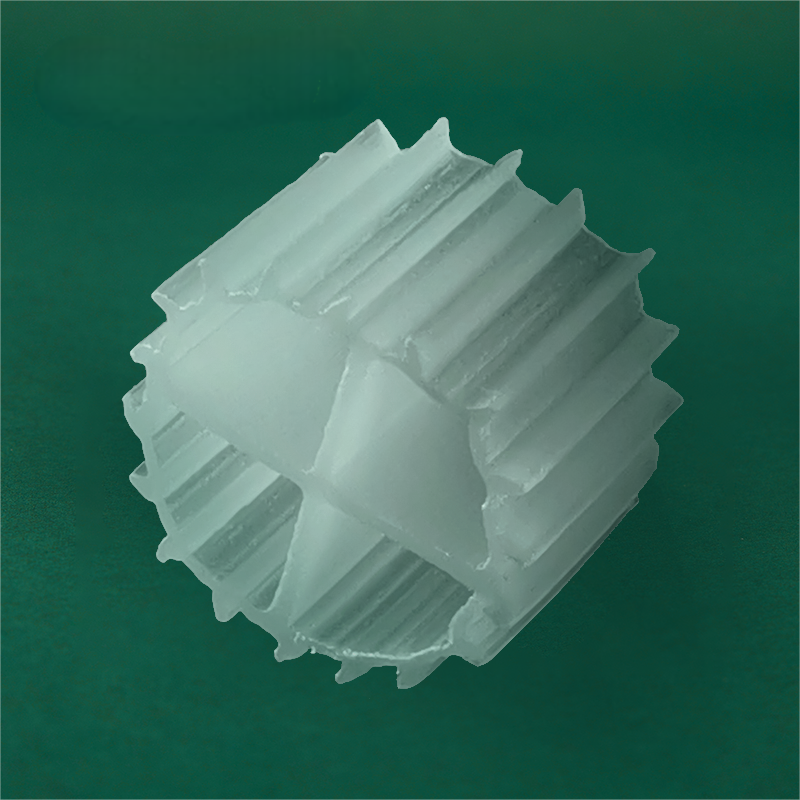
Before high-salinity wastewater enters expensive evaporators, organic pollutants (COD/BOD) must be removed to prevent equipment scaling. Nihaowater’s High-Density Polyethylene (HDPE) MBBR media provides a critical advantage:
Saudi Vision 2030 is shifting the paradigm from “waste treatment” to Brine Mining. Modern ZLD plants in NEOM and Dubai are now extracting Sodium Chloride, Magnesium, and Lithium from desalination waste. By using MBBR to ensure the organic purity of the brine, these plants provide high-quality feedstock for the local chlor-alkali industry, turning a massive environmental liability into a profit center.
Q: What is the main challenge for wastewater treatment in the Middle East?
A: The primary challenge is the combination of extreme ambient temperatures and hypersalinity. This requires equipment with high corrosion resistance (such as duplex stainless steel or specialized polymers) and biological systems acclimated to high osmotic pressure.
Q: Why is MBBR preferred over Fixed Bed reactors for saline water?
A: MBBR media move constantly, preventing the mineral scaling and clogging that often plague fixed-bed systems in high-salt environments. The self-cleaning mechanism of moving carriers ensures a consistent active surface area for halophilic biofilms.



86-15267462807


86-15267462807
