


 English
 عربى
عربى
 Español


×
Password
Get password
Enter password to download relevant content.
Submit
 +86-15267462807
In-situ acid cleaning is the localized injection of organic acids into the active air stream to dissolve mineral scaling (calcium carbonate) and biological foulants from disc diffuser membranes without tank drainage. This process restores the Standard Oxygen Transfer Efficiency (SOTE) and reduces blower backpressure, typically cutting aeration energy consumption by 15–25% for fouled systems.
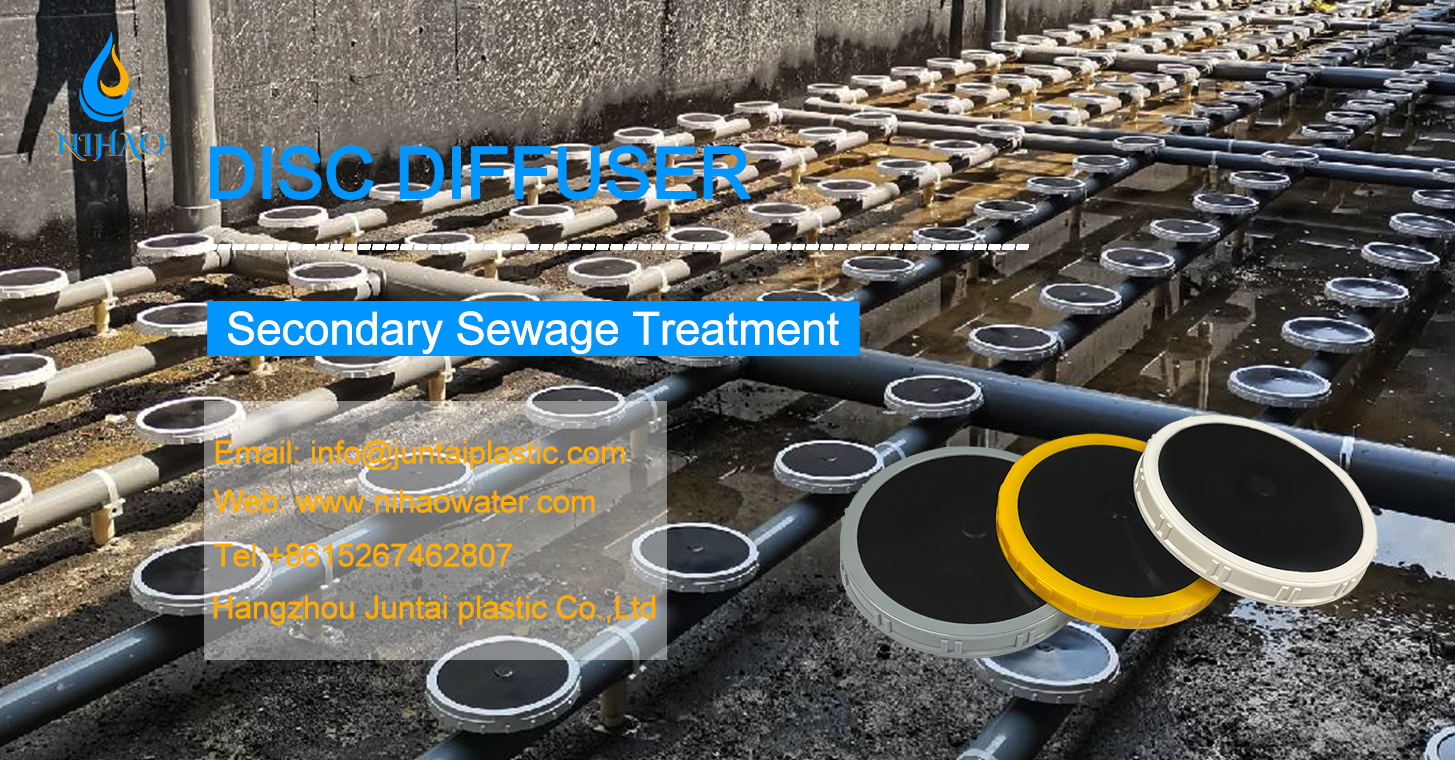
In MBR and high-load industrial plants, draining tanks is operationally disruptive and expensive. In-situ cleaning leverages the air distribution grid as a delivery vehicle. By atomizing concentrated Formic Acid (HCOOH) or Acetic Acid (CH3COOH) into a fine mist, the chemical is forced through the membrane pores from the inside out, chemically “softening” the debris that causes pore-clogging.
| Feature | Liquid Acid Dosing (In-Situ) | Physical “Pressure Bumping” | Manual Scouring (Ex-Situ) |
|---|---|---|---|
| Primary Target | Calcium Carbonate / Struvite | Soft Biofilms / Sludge Flakes | Irreversible Scaling / Silt |
| Operational Impact | Zero (Process remains online) | Zero (Process remains online) | High (Requires tank drainage) |
| Recovery Rate | 80–95% of Design SOTE | 40–60% of Design SOTE | 90–100% of Design SOTE |
| Chemical Req. | 85% Formic or Acetic Acid | None | Water / Detergents |
| Risk Factor | Corrosion of non-plastic pipes | Membrane rupture if over-pressured | Mechanical damage to pores |
| Component | Compatible Materials | Warning / Non-Compatible |
|---|---|---|
| Membrane | EPDM / PTFE-Coated EPDM | Silicone (limit concentration to <50%) |
| Piping Grid | PVC / Stainless Steel (304/316) | Galvanized Steel (Immediate Corrosion) |
| O-Rings | Viton / EPDM | Natural Rubber (Degrades in acid) |
| Blowers | N/A (Keep acid downstream) | Fumes can damage blower impellers |
Fouling doesn’t just block air; it increases bubble size (coalescence). Larger bubbles have a lower surface-area-to-volume ratio, which crashes the Oxygen Transfer Efficiency. Successful acid dosing restores the micro-perforation integrity, returning the bubble size to the optimal 1–3 mm range. This shift is what restores the α value of the wastewater, allowing the plant to maintain Dissolved Oxygen (DO) with significantly lower blower RPM.



86-15267462807


86-15267462807
