


 English
 عربى
عربى
 Español


×
Password
Get password
Enter password to download relevant content.
Submit
 +86-15267462807
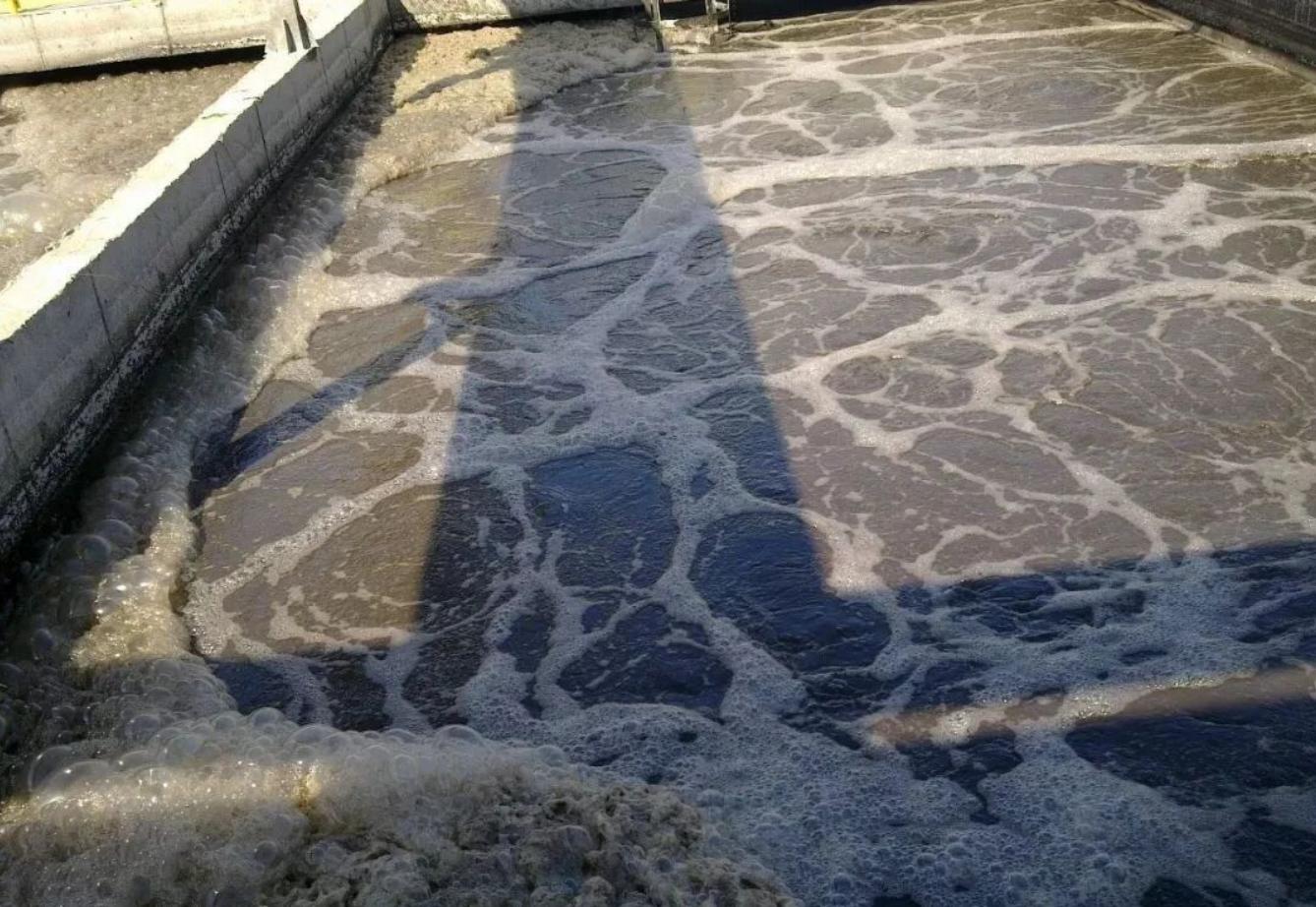
The activated sludge process (ASP) is the most widely applied biological treatment process in municipal wastewater treatment, while MBBR introduces attached-growth biofilm into the system to create a dual-biomass regime of "suspended + attached" growth.
The two are not substitutes for each other but suit different scenarios: for new plants the decision hinges on footprint and effluent requirements, while for retrofits it hinges on the existing tanks and investment constraints.
This article compares the two processes across six dimensions — footprint, sludge concentration, shock resistance, energy consumption, operation and maintenance, and retrofit difficulty — with a focus on the selection logic and key considerations for converting an activated sludge tank to MBBR (Hybrid), and includes a generalized municipal capacity expansion case study.
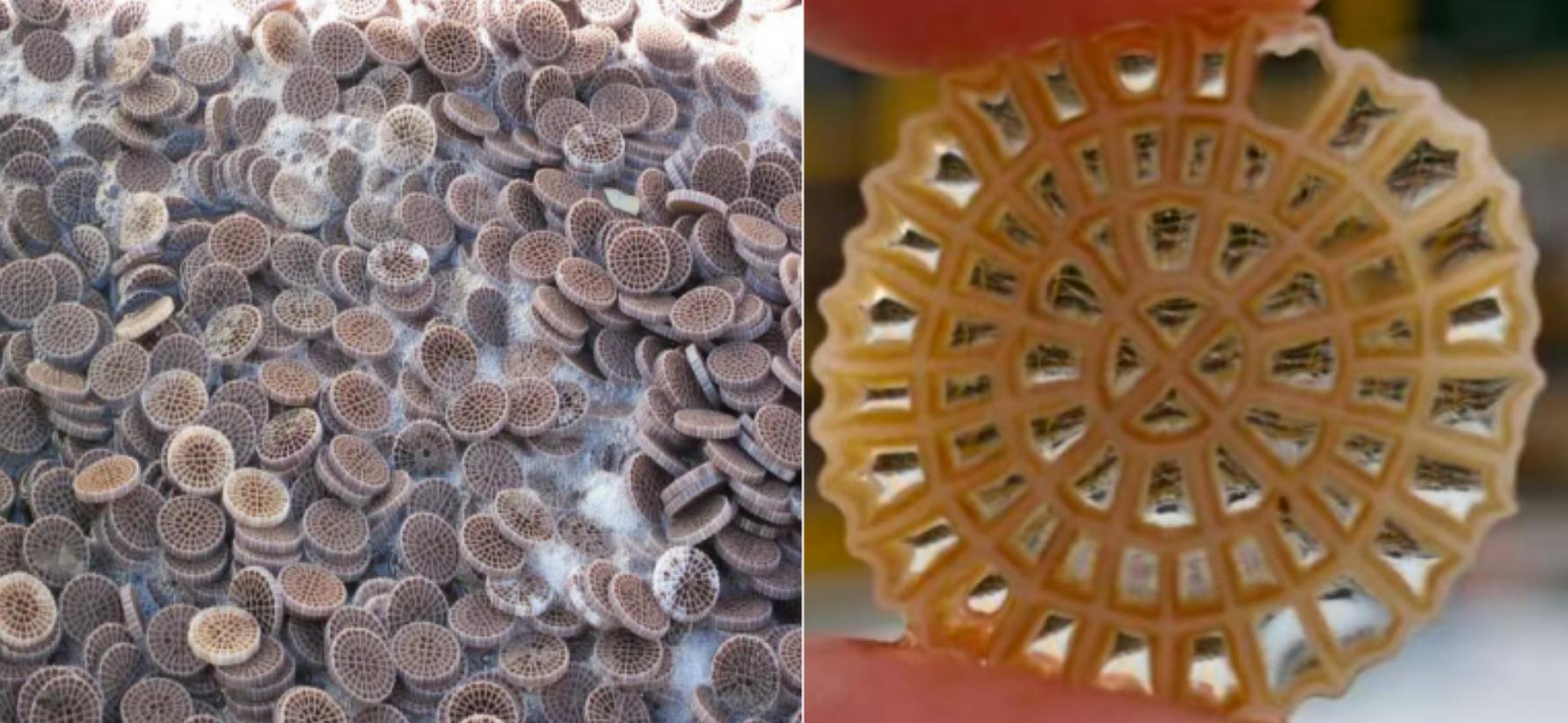
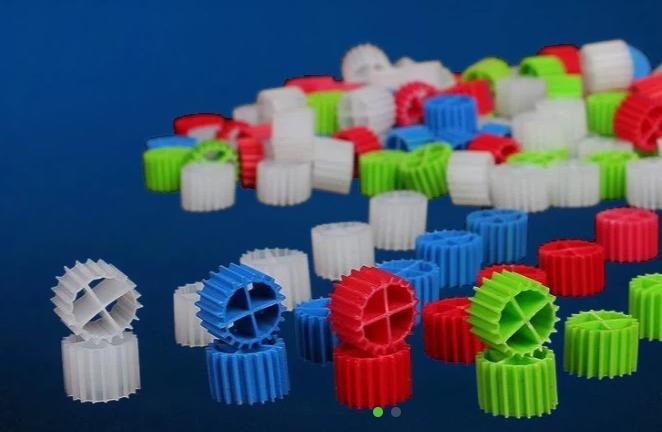
ASP relies on suspended activated sludge (MLSS 2–5 g/L typical value) to remove organics and nitrogen; MBBR adds suspended biofilm carriers to the tank (fill ratio 20%–50%, reference value), with biofilm attached to the media surface.
This yields higher biomass per unit tank volume, and the DO gradient within the biofilm naturally creates aerobic/anoxic microenvironments that favor simultaneous nitrification and denitrification.
MBBR originated in Northern Europe (Norway, 1980s) and is widely used in European retrofits of existing tanks; after its introduction to China, it spread quickly in municipal upgrading/expansion projects and industrial wastewater applications.
| Dimension | Activated Sludge Process (ASP) | MBBR | Notes |
|---|---|---|---|
| Footprint / Tank Volume | Larger; HRT 6–10 h (typical value) | Can be reduced by 30%–50% (reference value) | Higher volumetric loading |
| Sludge Concentration | MLSS 3–5 g/L (typical value) | Suspended 2–4 g/L + equivalent biofilm biomass | Higher total biomass |
| Shock Load Resistance | Moderate; susceptible to shock loads | Stronger; biofilm withstands shocks and toxicity | Clear advantage for industrial wastewater |
| Energy Consumption | Aeration + sludge return, conventional | Slightly higher aeration intensity for media fluidization; sludge return can be reduced | Needs combined assessment |
| Operation & Maintenance | Must control sludge bulking; large sludge production | Periodic inspection of retention screens; lower sludge production | Low sludge bulking risk |
| Retrofit Difficulty | — | Low–medium; can utilize existing tanks | Requires screens and media, aeration recheck |
When effluent requirements are stringent and land is scarce, MBBR and MBBR+ASP combinations (Hybrid) can meet COD and ammonia compliance simultaneously within a smaller tank volume.
MBBR is also attractive when the facility is sensitive to sludge disposal costs, as it produces less sludge (reference: approximately 0.3–0.5 kg sludge per kg BOD5 removed, lower than conventional processes).
However, media investment and retention screen maintenance must be included in whole-lifecycle cost; the construction phase alone should not be the only consideration.
Many municipal plants in China face the dual demand of "capacity expansion + stricter effluent standards" (e.g. upgrading from Class B to Class A Level 1), while in Europe and North America aging facility renovation and load growth are common.
When no additional land is available, converting existing aerobic tanks to Hybrid MBBR is a common path: dosing media into the existing tanks and installing retention screens can improve treatment and nitrification capacity, with investment typically lower than building new tanks (reference).
A municipal wastewater treatment plant was originally designed for 15,000 m³/d using a conventional activated sludge process (oxidation ditch), with effluent meeting the local Class B standard.
Due to population growth in its service area, the plant needed to expand to 22,000 m³/d and upgrade to Class A Level 1, but no land was available for acquisition.
The solution converted part of the aerobic zone of the oxidation ditch to Hybrid MBBR: high specific surface area media (500 m²/m³, typical value) was dosed at 30% of the effective volume, effluent retention screens were installed, and the aeration system was rechecked (air flow increased by about 25%, example value), while the existing sludge return system was retained.
After the retrofit, treatment capacity increased by about 40% and winter ammonia remained stably compliant, with no new tanks added.
This case is a generalized description; specific parameters should be verified by actual project calculations.
Reliable retention screens must be installed on the effluent side to prevent media from leaving with the effluent; the screen gap should be smaller than the minimum media dimension (reference).
Media fluidization requires sufficient aeration intensity. Before the retrofit, verify blower capacity margin and diffuser layout, and replace or add fine bubble diffusers if necessary.
In Hybrid mode, suspended sludge MLSS is commonly 2–4 g/L (reference) to ensure the biofilm and suspended sludge work together.
No media is added to anoxic/anaerobic zones, and openings in partition walls should be designed to prevent media cross-flow.
PE cylindrical media is common in the EU market, while porous-type media are more widely accepted in the North American market (reference).
The specific surface area and geometry must match the tank depth and aeration intensity, and pilot testing is recommended beforehand.
Winter water temperatures in northern North America and Northern Europe are low, so the nitrification volume must be rechecked against winter conditions after the retrofit.
Northern China similarly needs a temperature margin, and when the influent carries high grease or hair content, screening and degreasing at the headworks should be strengthened to prevent media entanglement or screen clogging.
Yes. The suspended sludge portion still needs periodic wasting according to SRT to maintain activity — the amount is simply usually less than in a pure activated sludge system (reference), and sludge bulking problems are essentially avoided.
Not necessarily. Media fluidization significantly increases aeration resistance and oxygen demand intensity.
The common practice is to measure the actual blower air flow and diffuser oxygen transfer efficiency and then recalculate; most projects require adjusting the number of diffusers or replacing them with higher-efficiency fine bubble diffusers (reference).
Under normal operating conditions, fluidized media are not prone to clogging.
However, when the influent contains high grease or hair content, the media can become entangled or the screens clogged; screening and degreasing at the headworks should be strengthened, and the screens cleaned manually or automatically on a regular schedule (reference based on experience).
MBBR and the activated sludge process each have their own applicable boundaries: MBBR or Hybrid retrofits deserve priority in scenarios with land constraints, capacity upgrades with stricter standards, or industrial shock loads; for conventional new plants with ample land and limited operational resources, conventional ASP remains a proven and reliable choice.
Selection should be based on a combined assessment of "effluent target + land constraints + whole-lifecycle cost + local standards (China GB 18918, EU UWWTD, North American NPDES)".
For retrofit projects, it is recommended to run 3–6 months of pilot testing and hydraulic modelling before finalizing the fill ratio and aeration scheme; for media selection and retrofit calculation support, contact the AquaSust technical team.
MBBR VS MBR VS SBR VS SBBR VS ASP



86-15267462807


86-15267462807
