


 English
 عربى
عربى
 Español

Why MBBR Media Floats, Sinks or Accumulates in Dead Zones
MBBR Troubleshooting & Reactor Operation In a properly operating moving bed biofilm reactor, MBBR carriers should circulate through most of the reactor volume rather than formi...
READ MORE> +86-15267462807
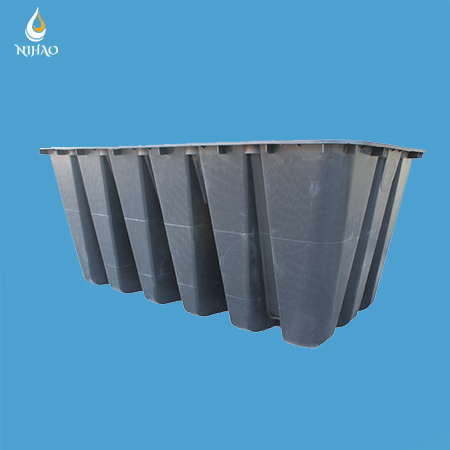
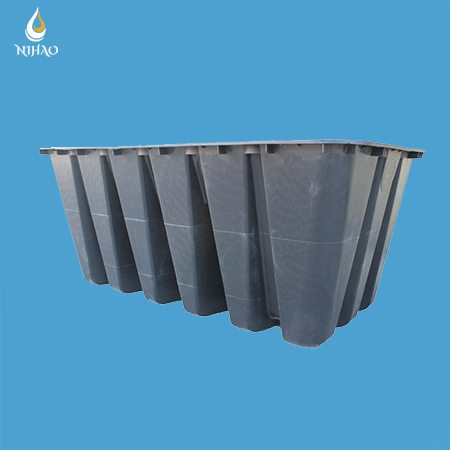
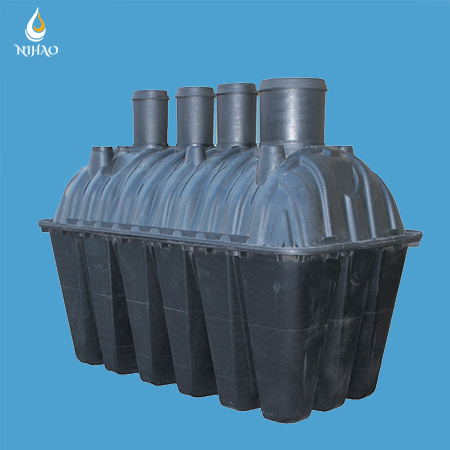
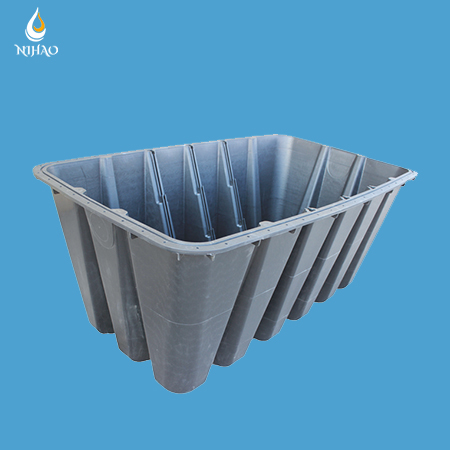
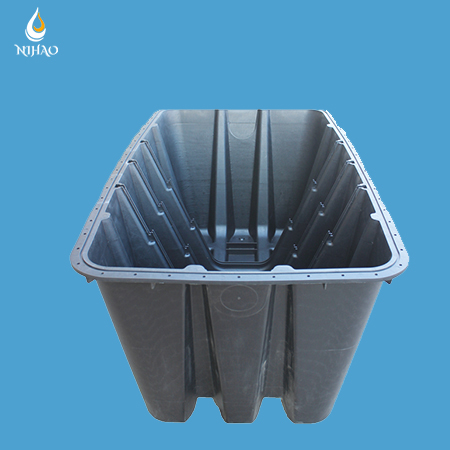
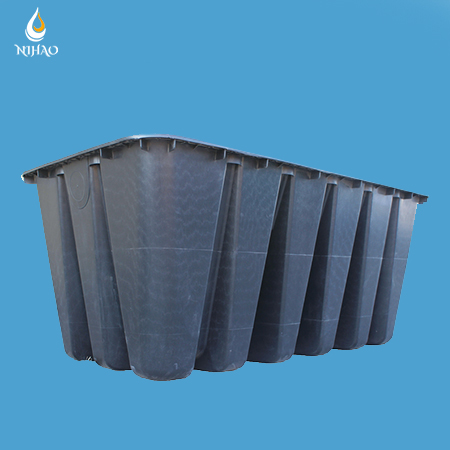
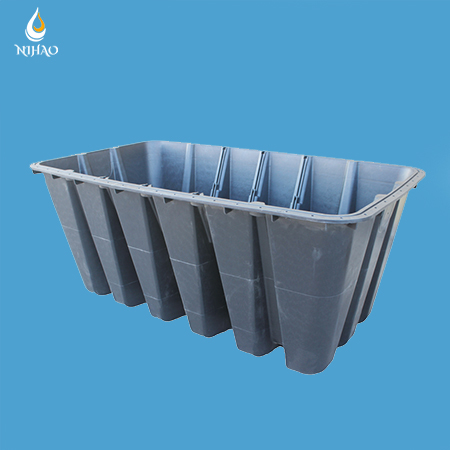
The septic tank is a treatment facility that uses the principles of sedimentation and anaerobic fermentation to remove suspended organic matter in domestic sewage. It is a primary transitional living treatment structure.
Three-phase separation technology
The three-phase separation septic tank technology is based on the traditional septic tank, retaining the advantages of mixing mud and water in the septic tank, and adding the three-phase separation technology of "sewage, sludge, and digestion gas". A three-phase separation device is installed at the water outlet to separate the sludge and digestion gas from the sewage treatment process to avoid the interference of air flotation on sewage treatment. The sedimentation tank at the water outlet refers to the technical standards of advection sedimentation tanks, and the sewage sedimentation time is within 2 hours.
Advantages of Three-Phase Separation Septic Tanks
High strength: Adopting a unique circumferential dense corrugated structure design, it has excellent compression and impact resistance without additional reinforcement, and is suitable for various situations. After testing, it can carry 20-ton trucks (ordinary type) or 40-ton trucks (reinforced type).
Compact and space-saving: The structure is compact in design and covers only about 60% of the area of a traditional septic tank, saving valuable land resources.
Easy installation: factory production, light and easy to transport, flexible construction, short construction period, low cost, and can be installed and put into use on the same day.
High sealing: Made in one piece, no cracks, no leakage, effectively avoiding groundwater and building safety issues.
Environmentally friendly and efficient: Advanced MDS special filler is used internally, and the reaction efficiency is improved through the membrane reaction of suspended spherical filler anaerobic bacteria. It is a new generation of anaerobic reactor that is efficient and does not require power.

PAY ATTENTION TO OUR LATEST NEWS AND EXHIBITIONS
VIEW MORE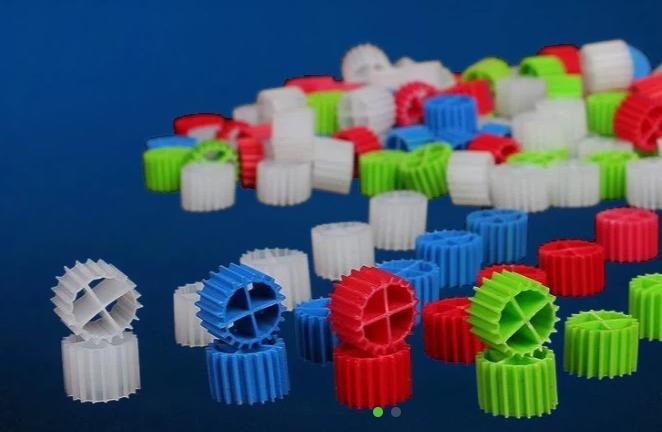
MBBR Troubleshooting & Reactor Operation In a properly operating moving bed biofilm reactor, MBBR carriers should circulate through most of the reactor volume rather than formi...
READ MORE>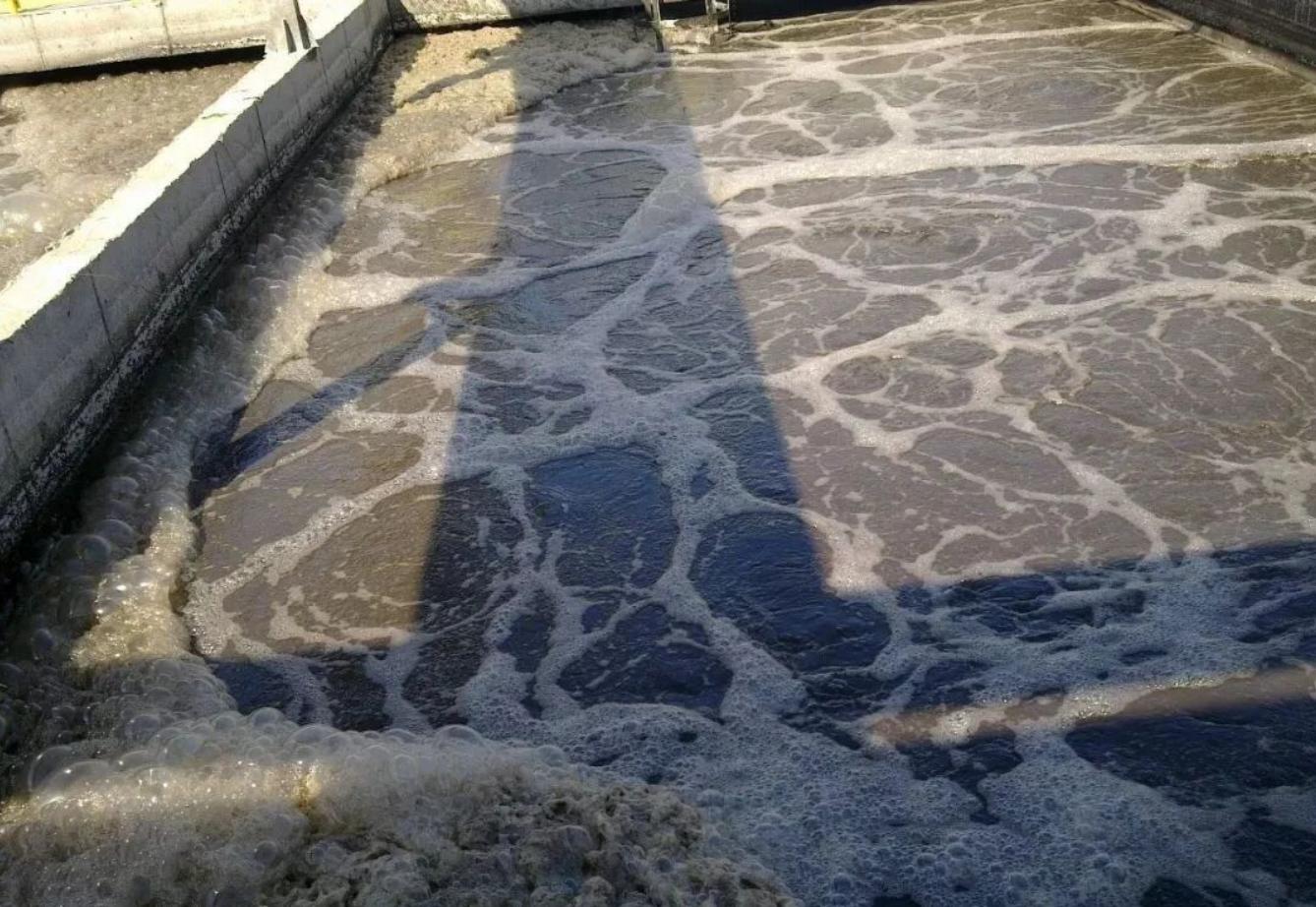
Wastewater Plant Upgrade & Retrofit Many wastewater treatment plants eventually face the same problem: flow or pollutant loading increases, discharge limits become stricter, bu...
READ MORE>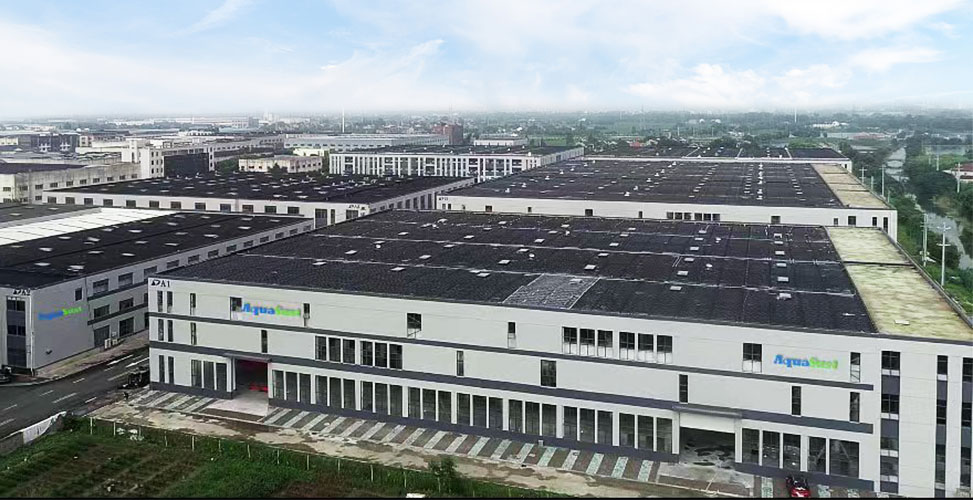
MBR Membrane & Material Trends Polyvinylidene fluoride, better known as PVDF, has become one of the most important membrane materials in modern membrane bioreactor systems. But...
READ MORE>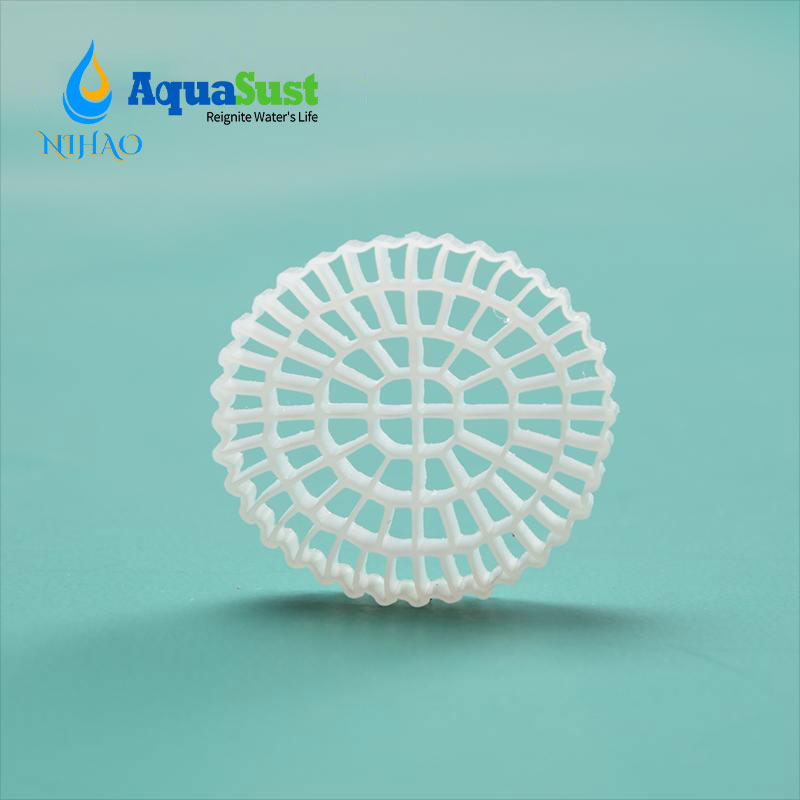
MBBR Media & Material Trends High-density polyethylene is more than a raw material cost for MBBR media manufacturers. Its price, grade consistency, density, mechanical performa...
READ MORE>
For many industrial facilities, water is no longer a low-cost utility that can be treated as an unlimited input. Manufacturers are paying closer attention not only to the price of ...
READ MORE>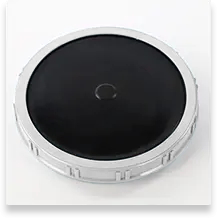
When designing or upgrading a fine bubble aeration system, one of the most common questions is whether to use a 9-inch or 12-inch disc diffuser. The larger diffuser can handle mo...
READ MORE>
Industrial water reuse is becoming a practical priority for factories, industrial parks, food processors, textile mills, electronics manufacturers, and other water-intensive indust...
READ MORE>
Aquaculture wastewater treatment is becoming more important as fish farms, shrimp farms, hatcheries, and recirculating aquaculture systems expand worldwide. One of the most critica...
READ MORE>
A wastewater digester converts biodegradable solids into a more stable biosolids stream while producing methane-rich biogas. In municipal wastewater treatment plants, anaerobic dig...
READ MORE>
Introduction The activated sludge process (ASP) is the most widely applied biological treatment process in municipal wastewater treatment, while MBBR introduces attached-growth bio...
READ MORE>
Selecting between a drum filter and a disc filter is not simply a question of which technology provides “better filtration.” For wastewater treatment plants, recirculating aquacult...
READ MORE>
Wastewater treatment media are materials or engineered structures placed inside treatment units to support biological growth, improve solids separation, filter suspended particles,...
READ MORE>



86-15267462807


86-15267462807


